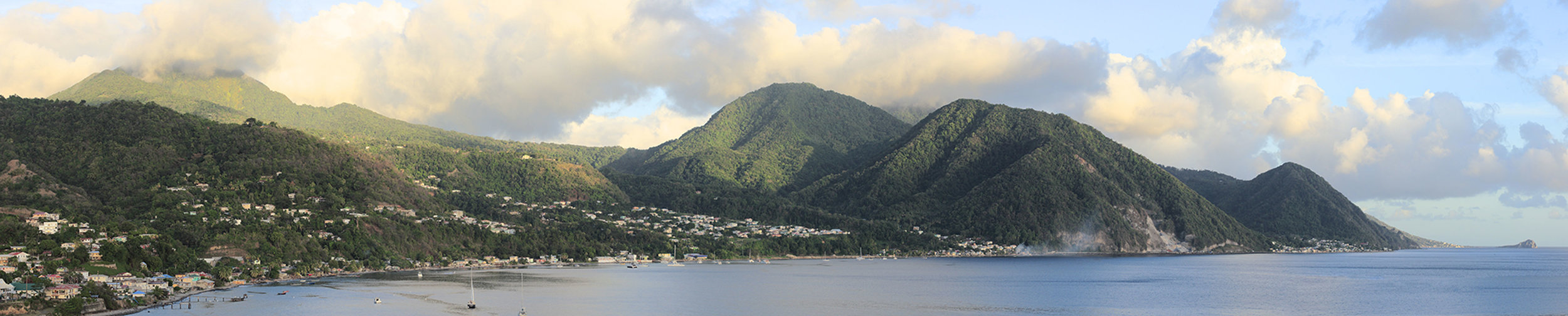
Well-known as the Nature Isle for over 300 amazing reasons, Dominica lures largely eco-adventurers with its 365 rivers, Boiling Lake, Champagne Reef, rainforest-shrouded volcano, sulphurous hot springs, superb diving sites and the Caribbean's first long-distance hiking trail.
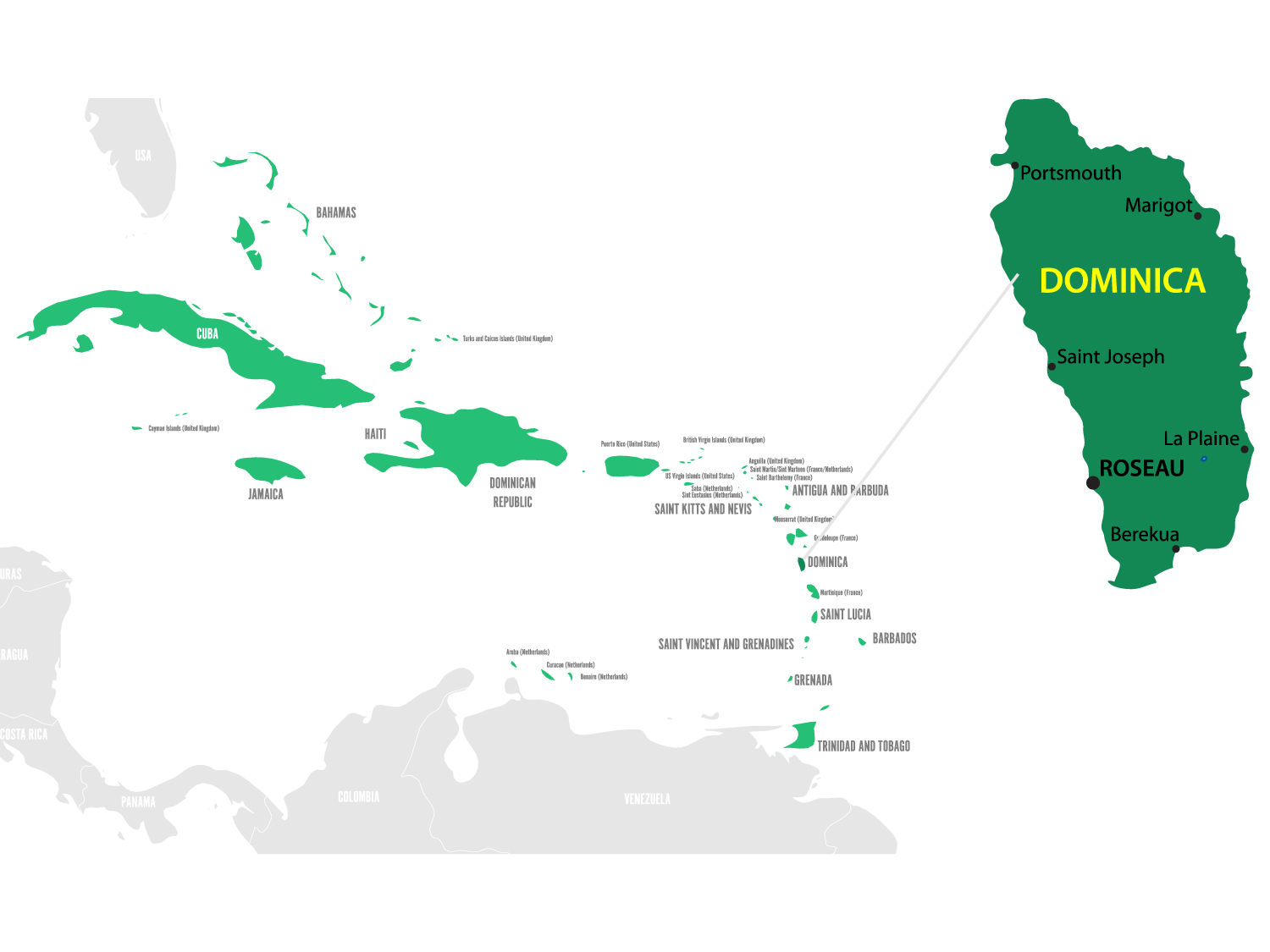
Halfway between Guadeloupe and Martinique, Dominica is the only place in the Eastern Caribbean that’s still home to a sizeable population of indigenous people, the Kalinago, who've lived on the island since the 13th century.
Mother Nature has been especially generous to Dominica, but it has also ravaged its beautiful and pristine landscape with adversity in the form of Hurricane David in 1979 claiming 40 lives, Tropical Storm Erika in 2015 which killed 30 persons and most recently Hurricane Maria in 2017.
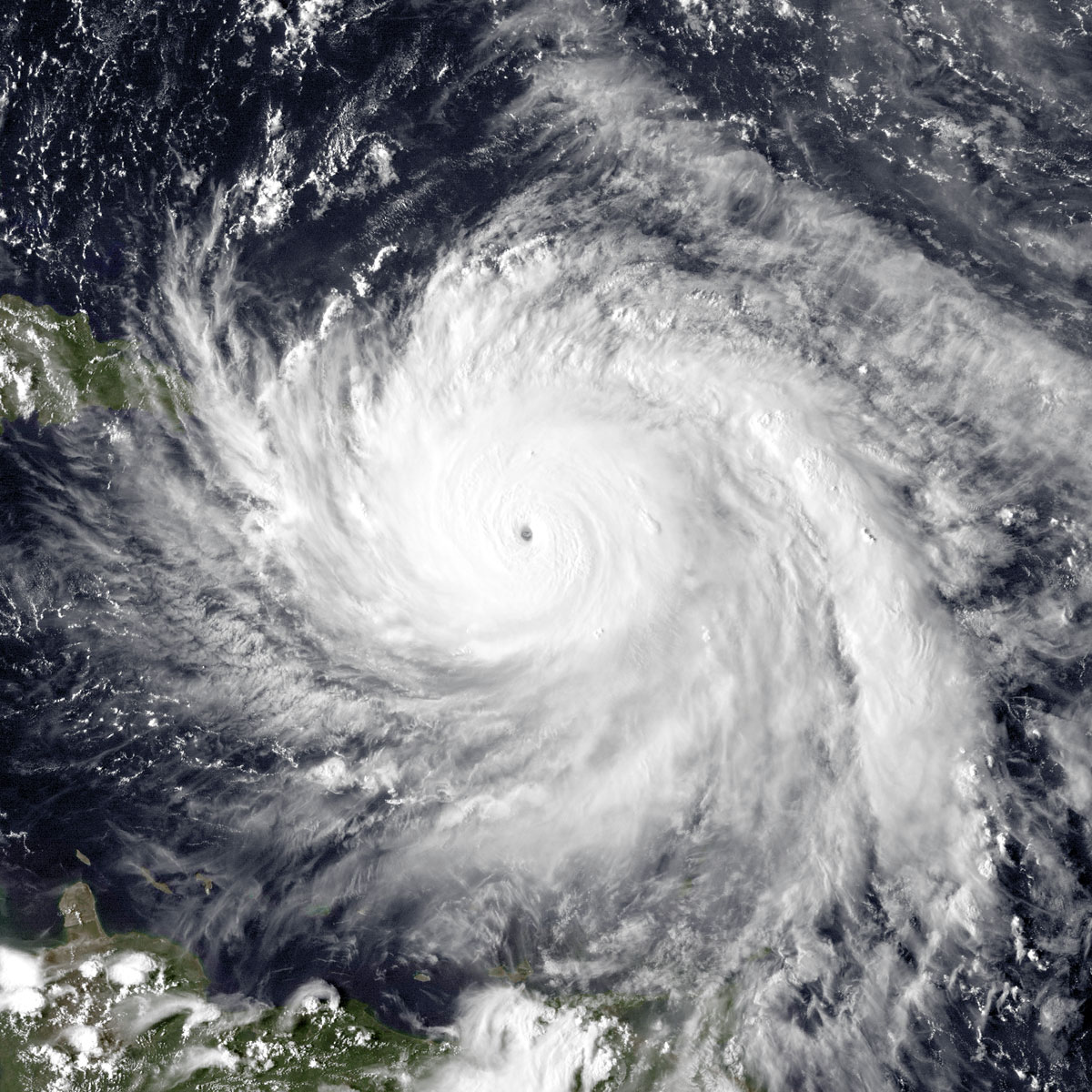
Hurricane Maria made landfall on the southwest coast of Dominica at 9:35 p.m. on September 18 as a Category 5 hurricane, with 220 mph wind speed and higher gusts. The hurricane force resulted in intense storm surges, torrential downpours, overflowing raging rivers, and unprecedented high winds across the island which left 31 people dead and 37 still missing. Around 80% of the population (65,000 people) were directly affected and more than 90% of roofs were damaged or destroyed while power and water supplies were disrupted, and entire crops destroyed.
Life as Dominica knew it, would never be the same again…
Five days after Hurricane Maria decimated Dominica, on September 23rd, 2017, Prime Minister Roosevelt Skerritt addressed the 72nd United Nations General Assembly (UNGA) and declared Dominica an “international humanitarian emergency” in his impassioned speech which also boldly avowed to rebuild Dominica as the first climate resilient nation in the world.
As a result, the Climate Resilience Execution Agency for Dominica (CREAD) was birthed to lead and coordinate strategic initiatives across all sectors with the goal of leading the climate resiliency mission in Dominica.